
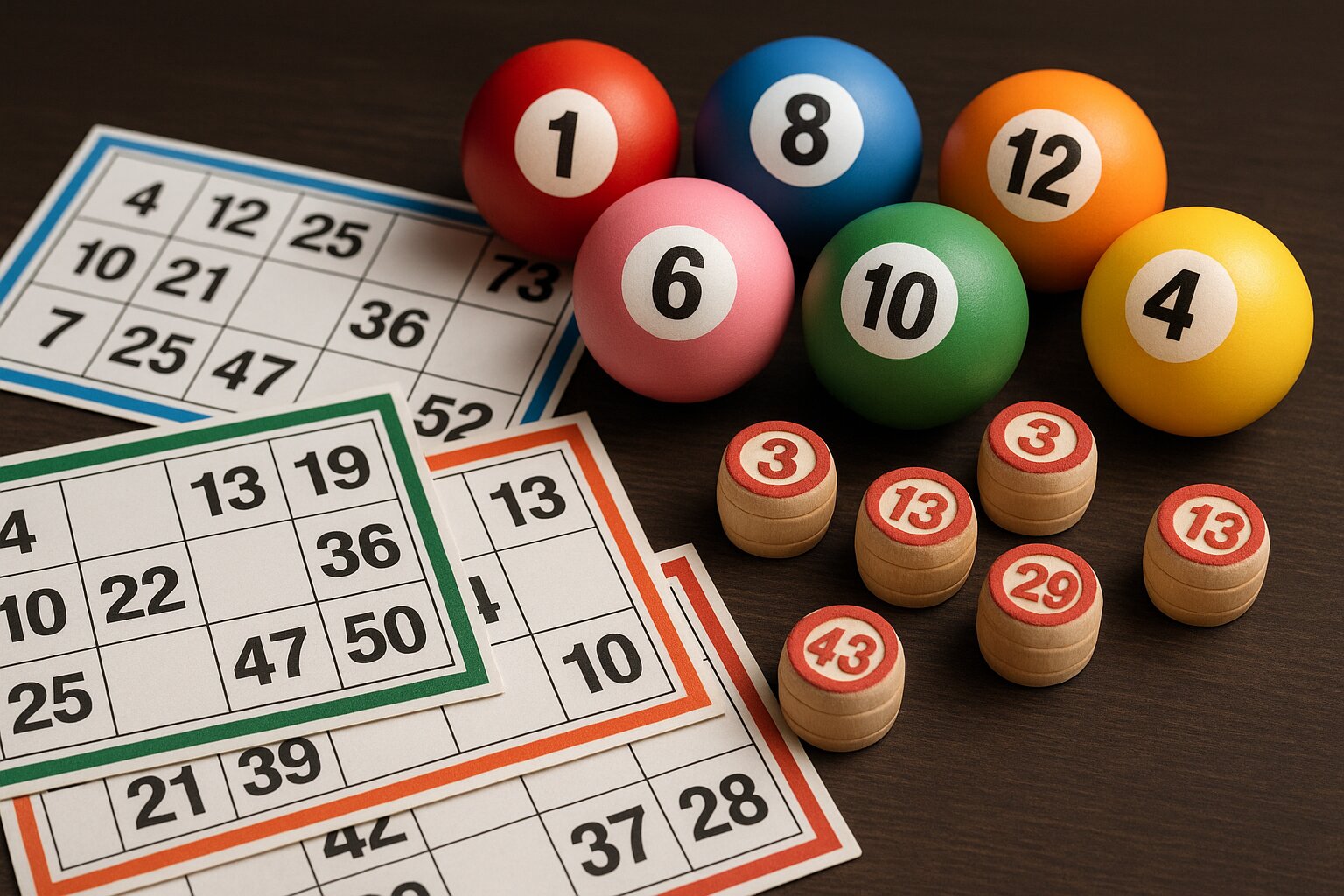
At our site you’ll find a wide range of bingo games created for entertainment and run to strict regulatory standards. Whether you’ve played for years or are simply curious, the options span classic formats and quicker, modern twists.
Bingo focuses on social play and varied game styles, from 90-ball’s measured rhythm to the fast rounds of 30-ball. Read on to discover what sets each type apart and how the rules shape the experience — play only if you are over 18 and within your limits.
What Are the Main Types of Bingo Games?
There are a few main bingo formats, each offering a distinct rhythm and set of wins. Knowing how they differ makes it easier to choose the kind of game you will enjoy most. Each format changes the speed of play, the size of tickets and the kinds of patterns that win.
90-Ball Bingo
The classic UK format. Tickets have three rows and nine columns, and players mark numbers as they are called. Wins are usually for:
- one line,
- two lines,
- a full house.
These three stages stretch each game across a series of prize opportunities, so a single session can deliver several moments of excitement as more numbers are revealed. Games tend to be steadier paced, which makes 90-ball popular for those who like longer sessions and a traditional feel.
75-Ball Bingo
This version uses a 5x5 grid and commonly includes a central free square. Rather than the sequential stages of 90-ball, 75-ball often asks players to complete specified patterns. These patterns change from game to game and keep play varied. Common examples include:
- straight lines,
- corners,
- more complex shapes such as postage stamp or blackout.
Because patterns can be creative and change frequently, 75-ball keeps players on their toes and offers a lot of variety within a single session.
80-Ball Bingo
Using a 4x4 grid, 80-ball sits between the other two in terms of pace. It often mixes simpler line prizes with a rotating set of patterns, so games are quicker than 90-ball but retain more variety than the fastest formats. Typical winning options include:
- single or multiple lines,
- shape-based patterns.
This balance makes 80-ball a good choice for players who want a faster game than 90-ball without losing the interest that pattern variation brings.
30-Ball Bingo
Sometimes called speed bingo, this uses a compact 3x3 grid. Games resolve in only a few calls, making for brisk sessions that suit players who prefer a rapid turnaround. Matches are short, prizes tend to be small compared with longer formats, and the focus is on quick results and frequent starts.
Remember to play responsibly and within your limits.
How Do 90-Ball and 75-Ball Bingo Differ?
These two popular formats contrast in layout, winning conditions and tempo, so the way you approach each game changes accordingly. Each format asks for a different mindset, card-reading habit and pacing when you play.
Ticket Layout
A 90-ball ticket has three rows and nine columns with five numbers on each row. That layout leaves blank spaces across the ticket, so you focus on completing rows and tracking which columns still hold numbers that could form a line.
The 75-ball card is a square 5x5 arrangement with the centre often marked free, affecting how you map potential wins. The compact grid and the free square make spotting pattern possibilities quicker, and you often check diagonal and shape combinations as well as straight lines.
Game Format
90-ball gives three separate prize opportunities:
- one line
- two lines
- a full house
These stages are played in sequence within a single game, which spreads interest and offers multiple chances to win as the same game progresses.
In 75-ball, games require completion of specific patterns — lines, crosses or other shapes — and the target can vary between sessions. Organisers may announce different patterns for different rounds, so you need to check the card or game notice before play to know whether you are aiming for a simple line, a specific geometric shape or a full card.
Pace of Play
Because 90-ball stretches across multiple prize stages, it tends to be steadier and can feel more drawn out as you wait for those later wins. That slower rhythm gives more time to mark cards and keep track of numbers without rushing.
75-ball can feel brisker, particularly when the winning pattern is straightforward. Quick patterns and a compact grid create fast conclusions, especially in sessions designed for speed.
If you prefer a longer, unfolding contest, 90-ball suits well; for a quicker, pattern-based challenge, 75-ball often fits better. Always play within your limits and treat bingo as entertainment rather than a way to make money.
What Other Bingo Versions Can I Play in the UK?
Beyond the core types, there are themed and hybrid variants that mix mechanics or add bonus features. Many of these keep the familiar bingo format but offer different pacing, additional interactions, or branded spins on the basic game.
80-Ball Bingo
This offers a different balance of speed and pattern play. It tends to sit between 90-ball and 75-ball in terms of pace, making it a good choice for players who want variety without the longer cadence of 90-ball.
Matches and prizes are usually based on completing specific patterns, and rooms can have a lively social atmosphere with shorter sessions than 90-ball.
30-Ball Bingo
With its 3x3 grid, 30-ball is ideal when you want fast rounds and immediate results. Games are quick, numbers are limited, and each round tends to be decisive, which suits players looking for rapid outcomes rather than longer play sessions.
Because rounds finish quickly, 30-ball is often used for promotional events or casual play with simple prize structures.
Deal or No Deal Bingo
Borrowing elements from the TV format, this introduces bonus rounds and themed events while keeping the basic bingo mechanics familiar. Players can encounter decision-based bonus features that mimic the show’s tension, without affecting the standard calling and marking of numbers.
These games are usually heavily themed and designed to appeal to fans of the programme, with visual and audio cues that enhance the experience.
Rainbow Riches Bingo
This blends bingo with slot-like bonus features, using visual specials and extra rounds to create a more feature-rich session. It often includes cascading bonus sequences and branded imagery that reward pattern completions with additional chances or mini-games.
The core bingo play remains intact, but the added features aim to increase engagement for players who enjoy layered entertainment.
Slingo
A hybrid that mixes spinning reels with bingo-style card play. It combines chance elements with pattern completion for quick, game-like rounds.
Rounds are typically short and score-based, and they appeal to players who enjoy a slot-like rhythm combined with bingo structures.
These variants change the focus of play in different ways. Consider trying different types to see which matches your taste:
- Some emphasise speed and very short rounds.
- Others add layers of bonus interaction and themed features.
- Some strike a balance between pattern play and side-game elements.
Try a few low-stakes sessions first to learn the differences and find the style you prefer.
How Do The Rules and Gameplay Vary in Different Bingo Games?
Across formats the core idea remains marking called numbers, but card size, winning patterns and prize structure shift how a session feels. These differences influence how long a session lasts, how often wins occur and how much attention players need to give each card.
Key Differences in Bingo Cards
Card design influences game length and strategy. Larger grids typically mean longer games because more numbers are needed for common wins, while smaller grids speed results and raise the frequency of wins per hour. Card layout also affects how easy it is to spot potential wins at a glance, which can change whether players prefer manually checking paper tickets or using electronic aids.
Some games allow multiple cards at once, which increases the chance of hitting a winning pattern but also makes it harder to follow every card closely. Operators may limit the number of cards per player to balance play and ensure sessions remain manageable for everyone.
Winning Patterns
Some games prize single lines or full houses; others set specific shapes to complete. Special variations can include themed patterns or bonus objectives that appear alongside standard wins, changing how a player monitors their card.
Common pattern types include:
- Straight lines across, down or diagonally.
- Full house, where every number on a card must be marked.
- Specific shapes such as letters, crosses or outlined areas.
- Timed or bonus objectives that pay out for early completions or rare combinations.
Different combinations of card layout and winning condition directly affect pacing, excitement and strategy. Choosing a game with faster patterns suits players who prefer frequent, shorter wins, while longer patterns appeal to those who like extended play and the tension of a late win.
What Are the Most Popular Bingo Variations?
A few variations tend to attract the most players because they each offer something distinct.
90-ball remains the staple for those who favour the traditional, staged win structure. 75-ball appeals to players who enjoy changing objectives and pattern variety. 80-ball gives a midpoint experience for people who want both patterns and brisker play. Rainbow Riches add themed extras for players who like bonus features, while Slingo attracts those who want a crossover with reel mechanics.
Try a couple of different formats to see how the shifts in card size and objectives change the session. The right variation often comes down to whether you prefer a drawn-out, social game or something quicker and feature-heavy.
FAQs About Bingo Game Types & Variations
This section answers common questions to help you understand options and what to expect.
Do I need to be a certain age to play bingo online?
Yes. You must be at least 18 to play online. Age checks help protect players and comply with regulatory requirements.
Are all bingo games fair and regulated?
Yes. Games are run to regulatory standards that require fairness and transparency, with clear rules and verified systems.
Can I try different bingo types before committing?
Many platforms provide information about each variation, and some offer free-play options so you can get a feel for a format without using funds.
Are there tools to help me control my play?
Yes. Account features such as deposit limits, time-outs and self-exclusion are available to help you manage play responsibly. If you ever need support, help is accessible through the platform.
Thank you for reading. If you’d like to explore particular game rooms or want advice on which format might suit you best, we can point you to options and further details.
**The information provided in this blog is intended for educational purposes and should not be construed as betting advice or a guarantee of success. Always gamble responsibly.