Ever found yourself spinning the reels, wondering what really sets apart one slot game from another? With so many options at online casinos, it’s no surprise players can struggle to spot the meaningful differences between classic fruit machines and newer titles packed with features.
Some players chase the nostalgia of three-reel slots, while others prefer modern games with immersive themes, free spins and wild symbols that change the pace. There are also jackpot-focused games aimed at those who want the chance of a very large payout.
Beneath the graphics and sound are mechanics that shape how a game feels and plays, and understanding those mechanics helps you choose titles that suit your preferences and session style.
What Makes a Slot Game Stand Out?
A memorable slot is more than flashing lights and spinning reels. Themes often grab attention first: recognisable characters, clever branding and clear visual identity make a title easy to spot on a game list. But looks are only the start.
Innovative mechanics and feature design are what keep players returning. Expanding wilds, sticky wilds, and free-spin structures alter the rhythm of play; narrative elements and bonus games add depth; and polished audio-visual presentation raises immersion. Some slots emphasise simple, repeatable fun, while others layer interactive bonus rounds or storytelling on top of the base game to create progression.
These differences shape player experience—whether someone wants quick spins, a richly themed session or an engaging bonus hunt. Next, we’ll break down the main slot categories so you can match mechanics to what you enjoy most.
Popular Types of Slot Games
Slots come in many styles, but most fall into three broad categories: classic slots, video slots and progressive jackpot slots. Each offers a distinct blend of pace, complexity and reward potential, so knowing their traits helps you pick the right game for your mood.
What Are Classic Slots?
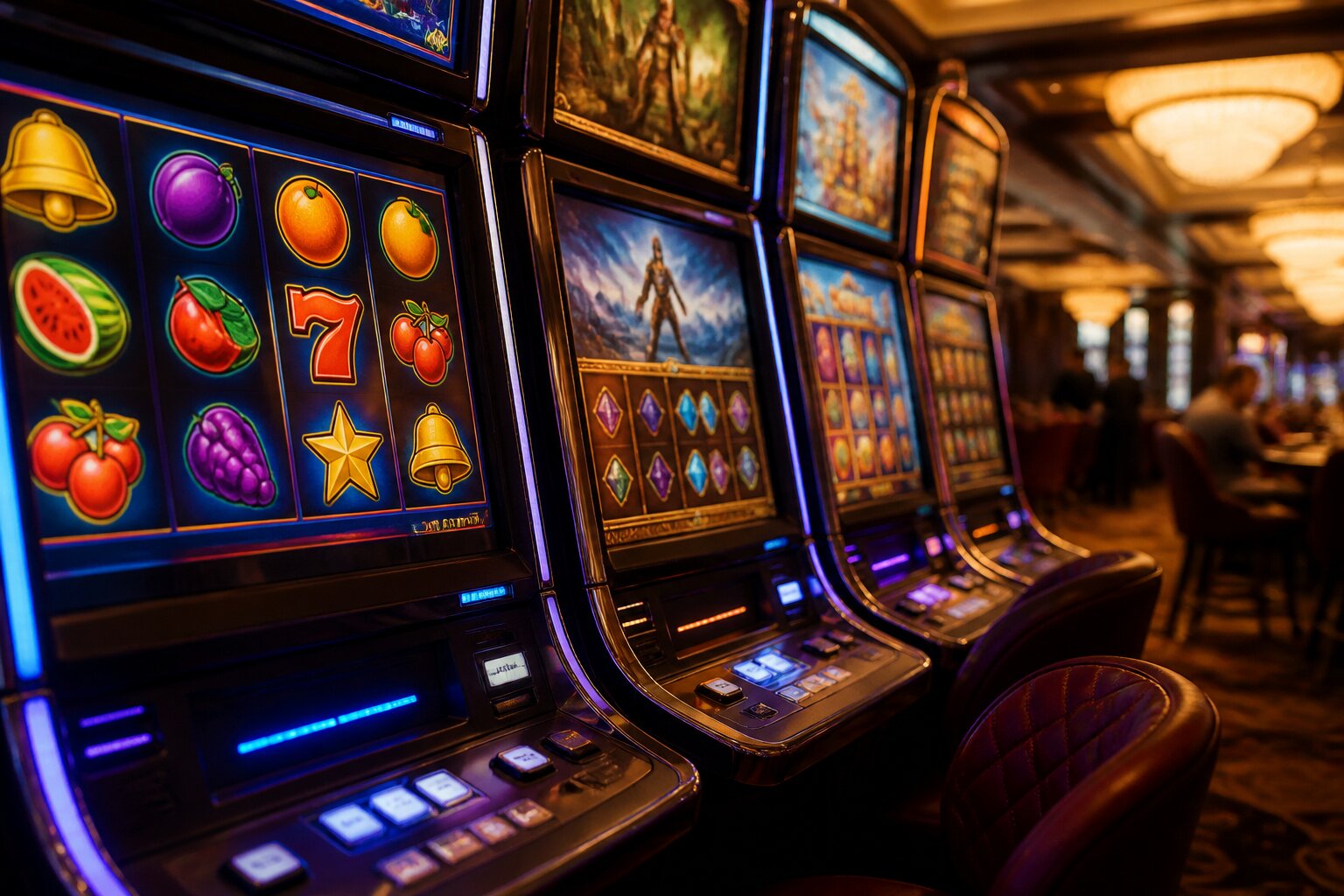
Classic slots take their cues from traditional pub fruit machines. They usually have three reels, simpler symbol sets such as cherries and bars, and straightforward paylines. The appeal lies in clear, uncomplicated play: outcomes are easy to follow and sessions tend to be faster.
Games like Mega Joker and Super Nudge 6000 exemplify the format. Typical features include fewer reels, retro-style graphics and minimal bonus mechanics, making them a good fit for players who prefer direct gameplay without extra layers.
What Are Video Slots?
Video slots dominate the online catalogue. These titles usually have five reels or more, detailed themes, and a suite of special features — wilds, scatters, free spins and mini-games — that vary widely between releases. Themed storytelling and high-definition presentation are common, and designers often build signature mechanics to define a game’s identity.
Gonzo’s Quest, Starburst and Book of Dead are familiar examples. Video slots offer variety in volatility and feature design, so players can choose rapid, frequent wins or rarer, larger payouts depending on the title they prefer.
What Are Progressive Jackpot Slots?
Progressive jackpot slots pool a percentage of stakes into a growing prize that can reach very large sums. Some progressives are local to a single game, while networked jackpots link several games or casinos to create much larger pools. jackpot-triggering mechanics vary: some award the top prize randomly, others require a specific bonus round.
Titles like Mega Moolah and Mega Fortune are well known for their ever-increasing jackpots. These games combine standard base-game play with the chance to trigger a large prize, so they appeal to players who enjoy the possibility of a huge payout in exchange for typically lower base-game return rates.
With types and features in mind, it helps to understand the building blocks of gameplay that underlie those experiences.
Slot Game Features Explained
Modern slots are built from a set of core features that alter how the reels behave and how rewards are delivered. Familiarity with these elements makes it easier to identify games that match a player’s preferred balance of excitement and predictability.
Bonus mechanics, wilds, scatters and free spins are the most visible features, but how they interact determines a game’s character: are wins clustered in bursts, or spread out? Does the title lean on frequent small payouts or rarer, larger ones? Paytables, volatility and hit frequency all play into that picture.
Understanding the mechanics clarifies why two visually similar slots can feel entirely different at the controls. The next subsections unpack the most common features and how they influence play.
What Are Wild Symbols and How Do They Work?
Wild symbols substitute for other symbols to help complete winning lines. They come in different forms, each changing the gameplay dynamic:
- Expanding wilds grow to cover a reel when they land, increasing the chance of a line win.
- Sticky wilds remain locked in place for several spins, often during a bonus sequence.
- Shifting wilds move across reels, potentially creating multi-spin combos.
These variants affect volatility and the rhythm of play: expanding wilds can produce sudden larger wins, while sticky wilds sustain winning opportunities across multiple spins.
How Do Bonus Rounds Enhance Gameplay?
Bonus rounds introduce alternate play modes that break the regular spinning pattern. Common types include:
- Free spins: a set of spins awarded without additional stake, often with added modifiers such as multipliers or special symbols.
- Pick-and-click features: interactive selections that reveal cash prizes, multipliers or additional spins.
- Feature wheels: a single spin that awards varying outcomes, from bonus spins to cash prizes.
Bonus rounds shift focus from base-reel wins to layered rewards and decision points, providing variety and moments of heightened tension within a session. They don’t change the fundamental mathematics of the game, but they do change the player’s experience and potential for clustered payouts.
Top Themes & Visual Styles in Slot Games
Theme and presentation are central to a slot’s identity, influencing both initial appeal and how long a game holds a player’s attention. Designers draw on history, mythology, film and everyday motifs to create recognisable worlds that suit different tastes.
Ancient civilisations, such as Egyptian or Greco-Roman settings, rely on treasure-hunt imagery and familiar iconography to build atmosphere. Mythology titles often use epic soundtracks and large-symbol wins to convey scale. Branded and TV tie-ins can leverage familiar characters and scenes, trading novelty for recognisable content.
Nature and adventure themes create a lighter, often more playful mood, while classic fruit or retro-style slots appeal through simplicity. The visual and audio choices guide expectations: a cinematic soundtrack and polished graphics usually signal a feature-rich game, whereas minimalist styling often indicates a more traditional format.
Next, we’ll look at how these experiences translate to handheld devices.
Mobile Slots: Playing on the Go
Mobile slots bring the same game designs to phones and tablets, resized and reworked for touch control. Most modern titles are optimised so visuals, controls and bonus interfaces adapt to smaller screens without losing functionality.
Mobile versions preserve payouts and features found on desktop, and many players value the convenience of being able to play briefly between other activities. Interfaces are simplified for tap control, with menus and animations adjusted for clarity on smaller displays.
Platforms commonly include tools to help players manage their play session, like deposit limits and time reminders, which support controlled play while using mobile devices. If you enjoy the portability of a handset, the next section explains how payouts and long-term returns are measured across all platforms.
How Are Payouts and RTP Calculated?
Payouts and Return to Player (RTP) are statistical ways to express how much a game returns over the very long term. RTP is shown as a percentage—for example, a 96% RTP indicates that, across an extremely large number of spins, the game will return £96 for every £100 wagered. This is an average across many sessions and many players, not a promise for a single session.
Volatility and hit frequency work alongside RTP to shape session experience. Two games with the same RTP can feel different: one might award small, frequent wins while the other pays larger prizes less often. Payout structures, including how bonus features distribute returns, determine whether a title favours steady play or occasional big payouts.
Understanding RTP and volatility helps set expectations for how a slot will play over time and assists in choosing titles that match personal preferences for risk and reward.
Final note: whether exploring classic three-reel games, feature-rich video slots or progressive jackpots, knowing the distinctions between types, features and payout profiles makes it far easier to find slots that suit how you like to play.
Try Online Slots at Umbingo
We welcome you to explore the broad range of online slot games available with us, where there is always plenty of choice to keep things interesting. Whether you are an experienced player or just fancy something new, our site has something for everyone to enjoy.
Getting started is simple: just create an account, make a deposit and you are ready to play. We look forward to seeing you on our site.
**The information provided in this blog is intended for educational purposes and should not be construed as betting advice or a guarantee of success. Always gamble responsibly.