
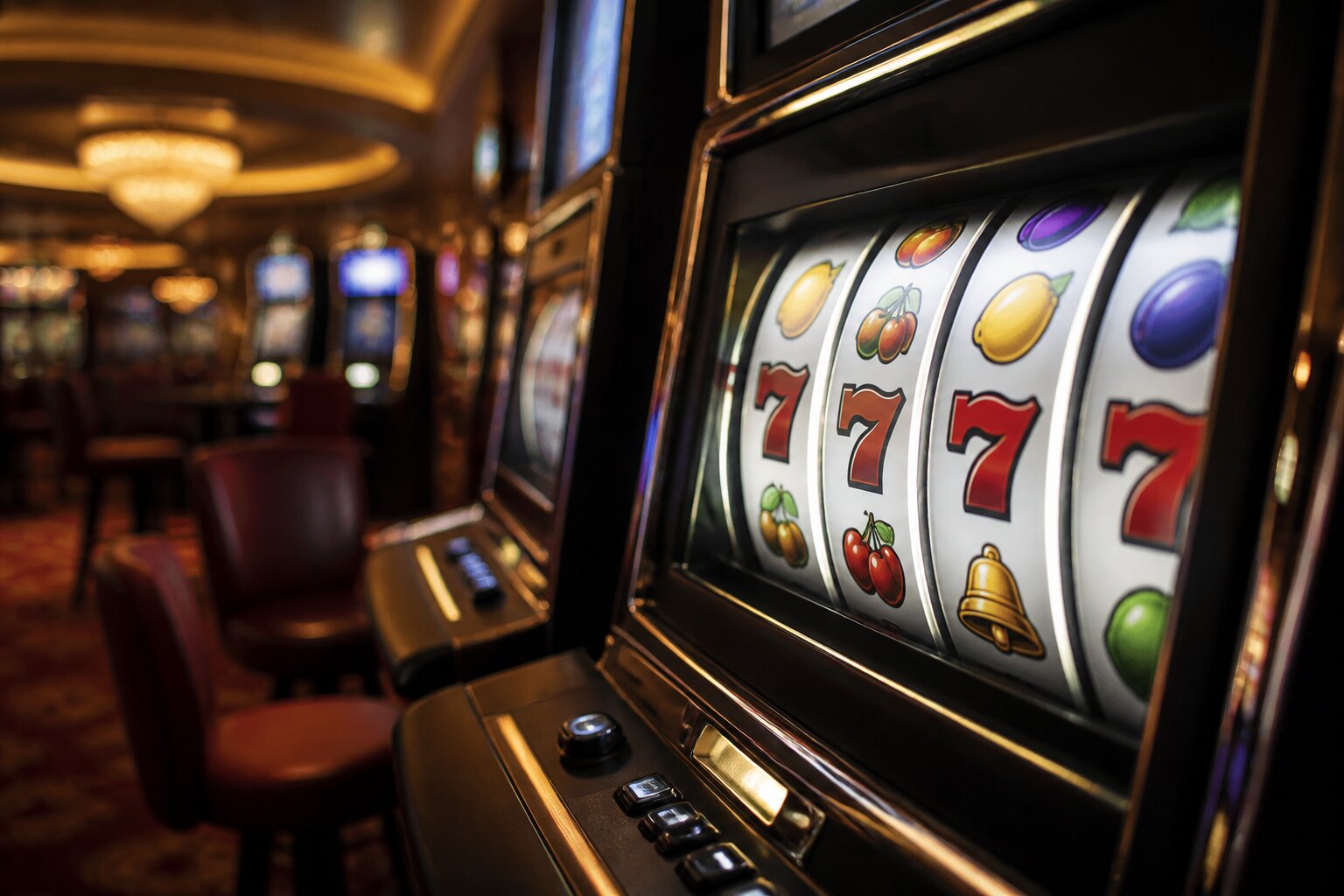
Ever wondered why some slot machines seem to land winning spins more often than others? You might have heard terms like "hit rate" or "hit frequency" mentioned by friends, but what do they actually mean?
Understanding hit rate helps you pick a game that fits the way you like to play, and gives a clearer picture of what to expect from your sessions. Read on for straightforward explanations, useful examples, and practical context to help you make more informed choices before you spin.
What Does Hit Rate Mean in Slot Machines?
In slot machines, "hit rate" or "hit frequency" is the percentage that shows how often a spin results in any sort of win. That can be a small cash payout, a bonus feature, or a larger prize. The number is meant to describe behaviour over a large number of spins, not in a short session.
For example, a hit rate of 25% suggests, on average, one win every four spins. That does not indicate the size of the wins, only how regularly something pays out. Most wins on many games tend to be small, while larger payouts are rarer.
Put simply, a higher hit rate means more frequent returns to the player, but not necessarily a higher total return or bigger prizes. It’s a measure of frequency, not value.
How Is Hit Frequency Calculated?
Hit frequency is calculated by dividing the number of winning spins by the total number of spins, then expressing that result as a percentage. If a slot produced 22 winning spins out of 100, the hit frequency would be 22%.
These figures come from very large data sets, often millions of spins, so they reflect long-term averages rather than short-term patterns. Individual sessions can vary widely from the stated percentage, because every spin is an independent event governed by the game’s internal processes.
Because the measure is statistical, it’s most useful for understanding typical behaviour over many plays, rather than predicting outcomes for a single visit to a game.
Slot Hit Frequency vs. RTP: What’s the Difference?
Hit frequency and RTP describe different aspects of a slot’s behaviour. Hit frequency tells you how often wins occur. RTP, or Return to Player, expresses the portion of total stakes that is paid back to players over the long run, shown as a percentage.
For example, a 96% RTP means that, across a very large number of plays, the game returns £96 for every £100 wagered, on average. That figure says nothing about how often wins happen, only about the long-term payout ratio.
Both figures are useful but cover separate things: hit frequency relates to the rhythm of wins, RTP to the overall share of money returned over time. Neither predicts what will happen in a single session.
How Does Hit Rate Affect Slot Payouts?
Hit rate affects the rhythm of play more than the ultimate size of payouts. A higher hit rate tends to deliver more frequent, smaller wins that can keep the action steady, while a lower hit rate often accompanies larger, less frequent payouts.
Game designers set both the hit frequency and the payout structure when they create a slot. These settings determine how often a player will see returns and how those returns are distributed, and they are validated through independent testing to ensure fair play.
Knowing this helps explain why two games with similar RTPs can feel very different: one might give frequent small returns, the other rare big wins. The hit rate shapes the experience, while the payout structure shapes the rewards.
What Is a Good Hit Rate for Slots?
There is no single "good" hit rate; it depends on the type of session you prefer. Many slots fall in the 20% to 30% range, which tends to produce regular, smaller wins. Players who prefer a steady stream of activity often favour games in this band.
Others choose slots with lower hit rates because they seek larger, less frequent payouts. These games can offer higher variance and longer dry spells between wins, which some players find more exciting.
Think about how you enjoy playing—do you like steady engagement or the chance of a big payoff? Match the hit rate to that preference, and set sensible limits to keep play enjoyable.
Common Myths About Slot Hit Rates
Several myths about hit rates persist. One common belief is that a high hit rate guarantees you will win more money. In truth, hit rates are averages calculated over many plays and cannot predict short-term results in any given session.
Another myth is that a machine is ever "due" to pay. Each spin is independent, so past outcomes do not influence future ones. Thinking otherwise misunderstands how randomness works and can lead to incorrect expectations.
Games are independently tested and monitored for fairness, which means outcomes follow the programmed probabilities rather than any visible pattern. Regulators and testing houses check that the reported hit rate and return to player are consistent with the game’s design.
Hit rate is a helpful descriptor of how a game behaves in the long run, not a tool for forecasting individual sessions. It tells you about the frequency of wins over many spins, but not about the size of those wins or whether you will come out ahead.
How Can Players Use Hit Frequency Information?
Hit frequency can guide you toward games that match your preferred style of play, but it is not a shortcut to winning. Consider these ways to use the information without expecting guaranteed results.
Match Your Playing Style
If frequent, smaller wins keep you engaged, look for slots with higher hit frequencies. If you prefer fewer but larger wins, opt for games with lower hit frequencies. Choosing a game that fits your rhythm helps make sessions more satisfying.
Play Responsibly
Use hit frequency to set realistic expectations rather than to chase a particular outcome. Decide in advance how much time and money you want to commit, so your play stays enjoyable and under control. If gambling stops being fun, take a break and seek support if needed.
Picking the right game for how you like to play will make your time at the reels more rewarding, whatever your goals are.
**The information provided in this blog is intended for educational purposes and should not be construed as betting advice or a guarantee of success. Always gamble responsibly.