
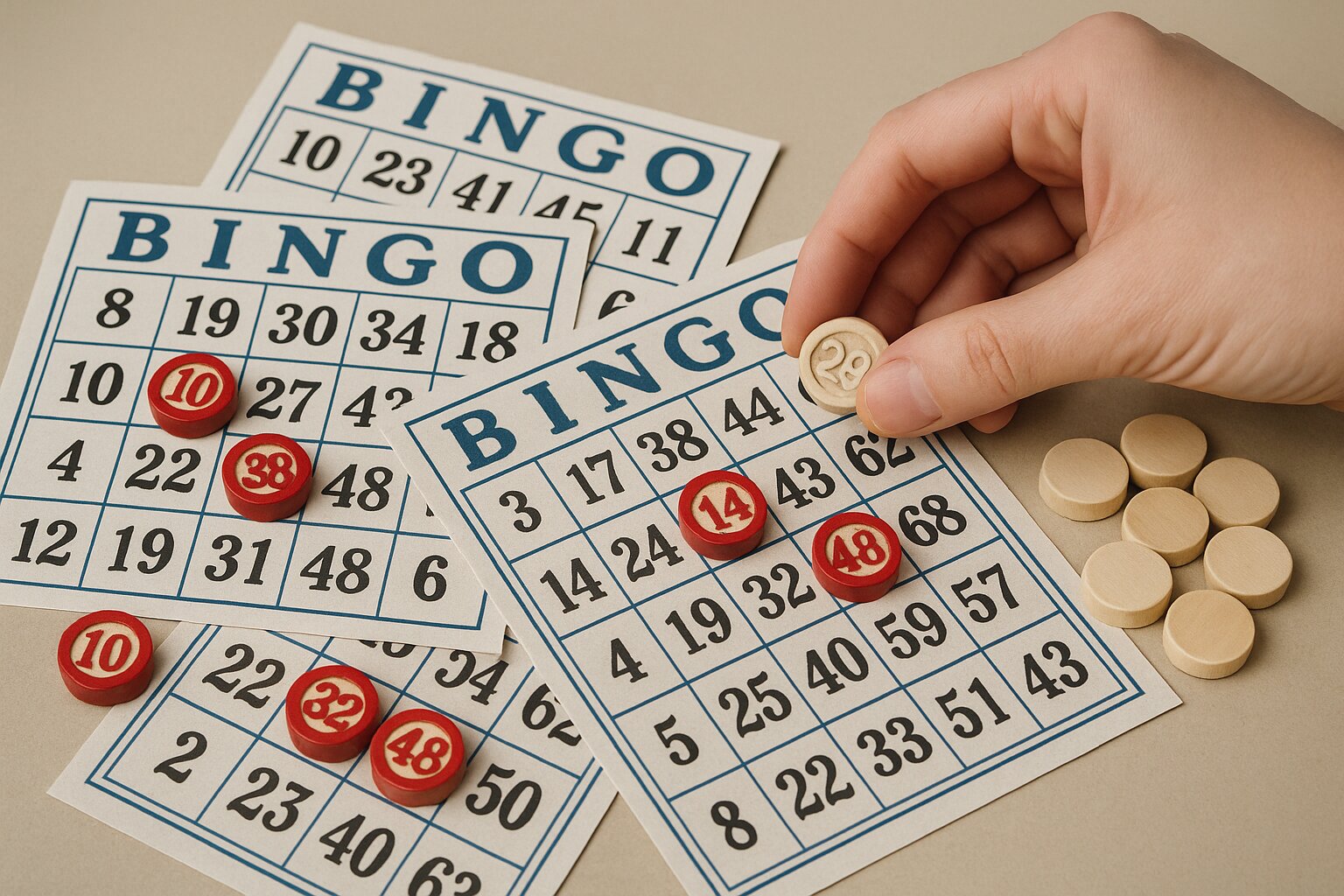
Bingo is a familiar sight across the UK, enjoyed in halls and online for its clear rules and social atmosphere. You may wonder whether there’s more to it than simply watching numbers being called. Is there room for skill to make a difference, or is the outcome dictated by randomness?
This post walks through how bingo is played, the rules you’ll meet in different formats, and which aspects involve practical ability rather than influencing results. Read on to get a complete picture before you join a game.
We encourage sensible play and offer tools to help you manage your activity. Understanding how the game works is the best way to make informed choices and enjoy bingo safely.
What Are the Core Rules of Bingo?
Bingo uses a ticket or card filled with numbers laid out in a grid. Common UK layouts are 5x5 and 3x9. Each ticket is unique and contains a set of numbers selected before the game.
During play, numbers are announced one at a time. Players mark matching numbers on their cards as they are called. Typical winning patterns include a single horizontal line, two lines, or a full house where every number on the ticket is marked. Prizes are awarded to the first player to complete each pattern.
When you claim a win it must be accurate; incorrect claims do not count. That makes careful listening and accurate marking important in live play. Different games can have bespoke rules, so take a moment to check what applies before you start.
Knowing the rules helps you follow the flow of the game and avoids basic errors, allowing the experience to be smooth and fair for everyone.
How Is Bingo Played in the UK?
Bingo is enjoyed in traditional halls and via licensed online platforms. In physical venues you are handed one or more paper tickets and the caller announces numbers in real time while staff assist with queries or claims.
Online bingo mirrors that structure but uses digital cards. Numbers are generated and displayed on screen, and many sites offer auto-marking so you do not need to mark cards yourself. Both formats operate under regulated frameworks to ensure transparency and fair play, and age checks are routine.
If you are new to digital bingo, the interface usually highlights called numbers and shows winning patterns clearly, which makes it easy to follow. In halls, the experience is more social and you’ll often find staff checking claims and announcing winners.
Wherever you play, set clear personal limits and use any available account controls to manage spending and time online. These practical steps keep the game enjoyable and controlled.
Is Bingo Purely Random or Is There a Skill Element?
The central mechanism of bingo is random number generation. Every participant faces the same probability for each draw, so no action by a player can change which numbers are called.
That said, practical skills matter in how you participate. In a hall, staying attentive and marking numbers correctly ensures you do not miss a winning pattern. Online, understanding the site’s features — such as auto-mark and claim procedures — means you can focus on the social side of play without technical confusion.
No method or strategy can alter the draw, so any skill involved is limited to engagement and accuracy rather than affecting outcomes. Treat bingo as an entertaining game where these practical abilities help the experience rather than the result.
What Skills, If Any, Are Used in Bingo?
Participation in bingo requires a few straightforward abilities, particularly in traditional settings. Quick recognition of numbers, concentration during a session, and the ability to check and claim correctly are useful. These skills reduce the chance of missed wins or accidental misclaims.
It’s important to note these abilities do not influence which numbers appear. Their value lies in avoiding mistakes and enjoying the game fully. For example, a player who keeps track of progress across multiple cards may find it easier to spot a winning pattern when several tickets are in play.
Myths have grown up around the idea of skill in bingo. To address a few common misconceptions:
- Being faster at marking a card does not change the numbers drawn; it only helps avoid missing a call.
- Experience may make a player more comfortable with the pace or format, but does not improve the statistical odds.
- No strategy can guarantee a win, because the draw itself remains random.
These points underline that bingo is about participation and timing rather than competitive advantage.
Differences Between Bingo and Other Skill-Based Games
Comparing bingo with games such as poker or blackjack highlights clear differences. In poker and blackjack, decisions, strategy and reading opponents can influence outcomes over time. Skillful play can alter long-term results in those games.
Bingo operates on a different principle. Because numbers are generated by chance and there are no decisions that affect the draw, player choices do not change the likelihood of particular numbers being called. The role of practice or expertise is therefore limited to procedural competence — knowing how to follow the game and claim wins correctly.
Approaching bingo with the right expectations helps you enjoy it appropriately: as a game where participation, rules familiarity and social interaction are the main skills that matter.
Does the Type of Bingo Affect the Role of Skill?
Bingo comes in different formats such as 90-ball, 75-ball and 80-ball. These formats change ticket layouts, the range of numbers, and which patterns win, but they do not change how numbers are drawn.
Different versions may demand different attention to pattern recognition. For instance, 90-ball bingo often uses three-line tickets and multiple stages of prizes, while 75-ball card layouts focus on completing particular shapes. That affects how you scan and mark cards, but not the randomness of the draw.
Choose the version that fits your preference for pace and style, not on the belief it will improve your chances. Enjoy the differences in play mechanics while remembering the underlying principle of random draws remains the same.
Bingo for Beginners: What Should You Know?
New players find bingo straightforward to begin. Check the specific rules for the game you’re joining, learn how claims are handled, and confirm which patterns pay out. If you are playing online, familiarise yourself with the interface, auto-mark options and any notification settings.
Start with a modest budget and stick to it. Playing multiple cards increases the chance of matching called numbers simply because you hold more entries, but it also raises the amount you spend, so weigh that balance against your budget. In halls, ask staff about claiming processes so you know how to proceed if you have a winning ticket.
If you ever feel unsure about your habits, make use of support tools and limits offered by operators. Practical safeguards and a clear plan for how much you will spend keep the experience manageable and enjoyable.
Summary: Is Bingo a Game of Skill or Chance?
Bingo’s outcome is determined by random draws; no player skill can influence which numbers appear. Practical abilities such as attention, accurate marking and familiarity with the game’s format improve how you participate, but they do not affect the result.
When you play, focus on the social and entertainment aspects while managing your activity with sensible limits. We provide tools like deposit controls, session reminders and self-exclusion options to help you keep play within your intended bounds. If you need additional support, there are independent organisations that can offer help and guidance.
Enjoy bingo for what it offers: a straightforward, social game where knowing the rules and staying mindful of your limits makes for the best experience.
**The information provided in this blog is intended for educational purposes and should not be construed as betting advice or a guarantee of success. Always gamble responsibly.