
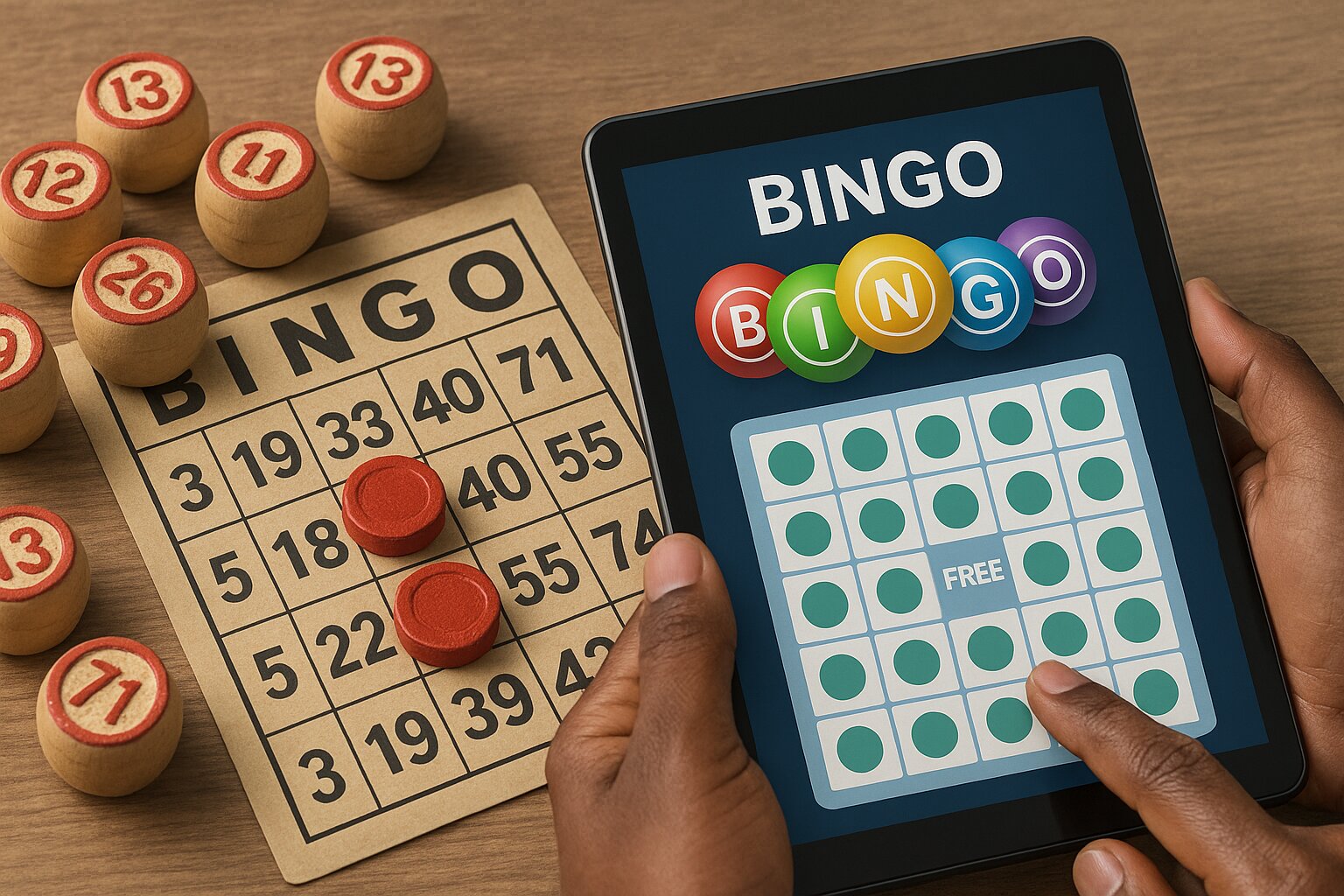
Bingo is a long-standing social game that many people enjoy, but it’s natural to question how fair it really is, whether you’re clicking a ticket online or sitting in a hall. Understanding how draws are made, what oversight exists, and what to look for will help you feel confident when you play.
This article explains how both in-person and online bingo are run in the UK, how games are tested and monitored, and what steps you can take if something seems off. If you want to try a game after reading, our site makes it straightforward to find licensed games and clear information on how they work.
How Does Bingo Work in the UK?
Bingo uses tickets with numbered squares. In 90-ball bingo, the most common UK format, each ticket has three rows and nine columns; five numbers appear in each row with four blanks. Players mark off numbers as they are drawn, aiming for set patterns such as a single line, two lines, or a full house.
In a bingo hall, a caller announces numbers that are drawn from a mechanical machine or ball cage. Online, a computer programme selects numbers and tickets can be marked automatically for you, which makes it easy to follow the game on screen.
Both formats operate under the same basic principles: a set of numbers, random draws, and predefined winning patterns with stated prizes. Games run within the framework required by UK regulation, which sets out standards for how draws are conducted and how prizes are awarded.
Are Online Bingo Games Fair and Regulated?
Online bingo providers in the UK must hold a licence and meet regulatory requirements. Licensed operators publish information on how their games work, and independent testing ensures the systems behave as claimed.
Random Number Generators are the standard method for drawing numbers online. These programmes are subject to regular checks by specialist testing houses to confirm they produce unbiased outcomes. Audits and technical reports are part of the licensing process, so operators have to demonstrate continued compliance.
As a player, you can look for licence details and testing certificates on a site to confirm it has been assessed. Clear terms and visible audit information are good indicators that the games are being run to an accepted standard.
Is In-Person Bingo Truly Random?
Physical bingo draws rely on mechanical or air-blown machines where numbered balls are mixed and drawn. This equipment is designed to ensure each ball has an equal chance of selection. Halls follow set procedures for how draws are carried out and announced to maintain transparency.
Staff receive training in running games and checking equipment. Venues keep records of maintenance and routine checks, and many use tamper-evident seals or documented calibration to show machines are operating correctly.
Local regulation and regular inspection mean halls must meet operational standards and can be reviewed if irregularities are suspected. Independent or third-party checks may be carried out at random intervals, and complaints procedures are in place so issues can be investigated.
These practical safeguards and visible draw procedures help ensure the same fairness you would expect from regulated online games. Common safeguards include:
- trained staff and documented operating procedures
- maintenance logs and calibration records for equipment
- visible, transparent draws that customers can observe
- regulatory inspection and complaint mechanisms that allow review and remediation
Digital RNGs vs Traditional Bingo Callers: What’s the Difference?
Both methods aim to prevent predictable outcomes, though they do so in different ways. A Random Number Generator is software that selects numbers using algorithms, and independent labs examine the maths to make sure results are statistically sound and cannot be manipulated. A mechanical ball draw achieves randomness through physical mixing and visible selection.
The main practical difference for players is transparency: a physical draw is visible in the hall, while an RNG requires confidence in the testing and audit trail published by the operator. In either case, regulation and independent testing are used to provide assurance that outcomes are impartial.
If you prefer the reassurance of seeing the draw, a hall offers that. If you value automation and convenience, online play gives clear technical verification.
How Are Bingo Games Monitored for Fairness?
Monitoring combines regulation, independent testing, and operator controls. Regulators set the rules and licensing standards; testing houses assess RNGs and other systems; and operators maintain records and undergo audits to show they meet those standards.
Testing looks at statistical properties of draws to confirm randomness and checks for any signs of engineering that would bias outcomes. Operational audits examine procedures, staff training, equipment maintenance, and how complaints are handled. Together, these layers create a documented trail that regulators can inspect.
These measures also support transparency for players: providers who publish test reports, audit summaries, and clear terms make it easier to verify that games are being run properly.
Common Myths About Rigged Bingo Games
Claims that bingo is rigged often come from misunderstandings about probability or how draws are managed. Licensed games are subject to oversight, and testing is designed to ensure that draws cannot be steered toward particular results.
Other misconceptions suggest that operators can pick winners or favour certain tickets. Independent assessments and audit logs make it difficult for any single person to influence outcomes without leaving evidence. Likewise, ideas about certain players being somehow advantaged do not match how draws and ticket allocations work.
If you encounter a claim that seems surprising, check for licence information and any published test reports. That information typically answers the main questions people have about fairness.
What to Do If You Suspect Unfair Play?
Begin by raising the issue with the operator’s support team; reputable providers have formal complaints processes and keep records of investigations. If a satisfactory resolution is not reached, there are independent dispute-resolution services available for licensed games, and regulators publish guidance on how to escalate concerns.
Keeping clear records of the event—dates, game details, screenshots where relevant, and correspondence—helps any review. Regulatory bodies can look into patterns or procedural failures if evidence suggests rules were not followed.
We take player concerns seriously and provide channels for filing complaints and accessing information. If you need further help, our support pages explain the steps for escalation and where independent review is available.
How to Find Trustworthy Bingo Providers
Finding a reliable provider comes down to a few practical checks. Look for licensing information and published testing or audit summaries, which show a provider has been assessed. Transparency about game rules, prize structures, and terms helps you understand how a game operates before you start.
Also check that the provider sets out available safeguards, such as spending controls and contact points for disputes. Visible, accessible information about how to get help and how complaints are handled is a strong sign of a professionally run service.
When a site or venue provides clear evidence of regulation, testing and customer support, you can be confident that games are run to recognised standards. If you ever have concerns, use the published channels to raise them so they can be investigated properly.
**The information provided in this blog is intended for educational purposes and should not be construed as betting advice or a guarantee of success. Always gamble responsibly.