
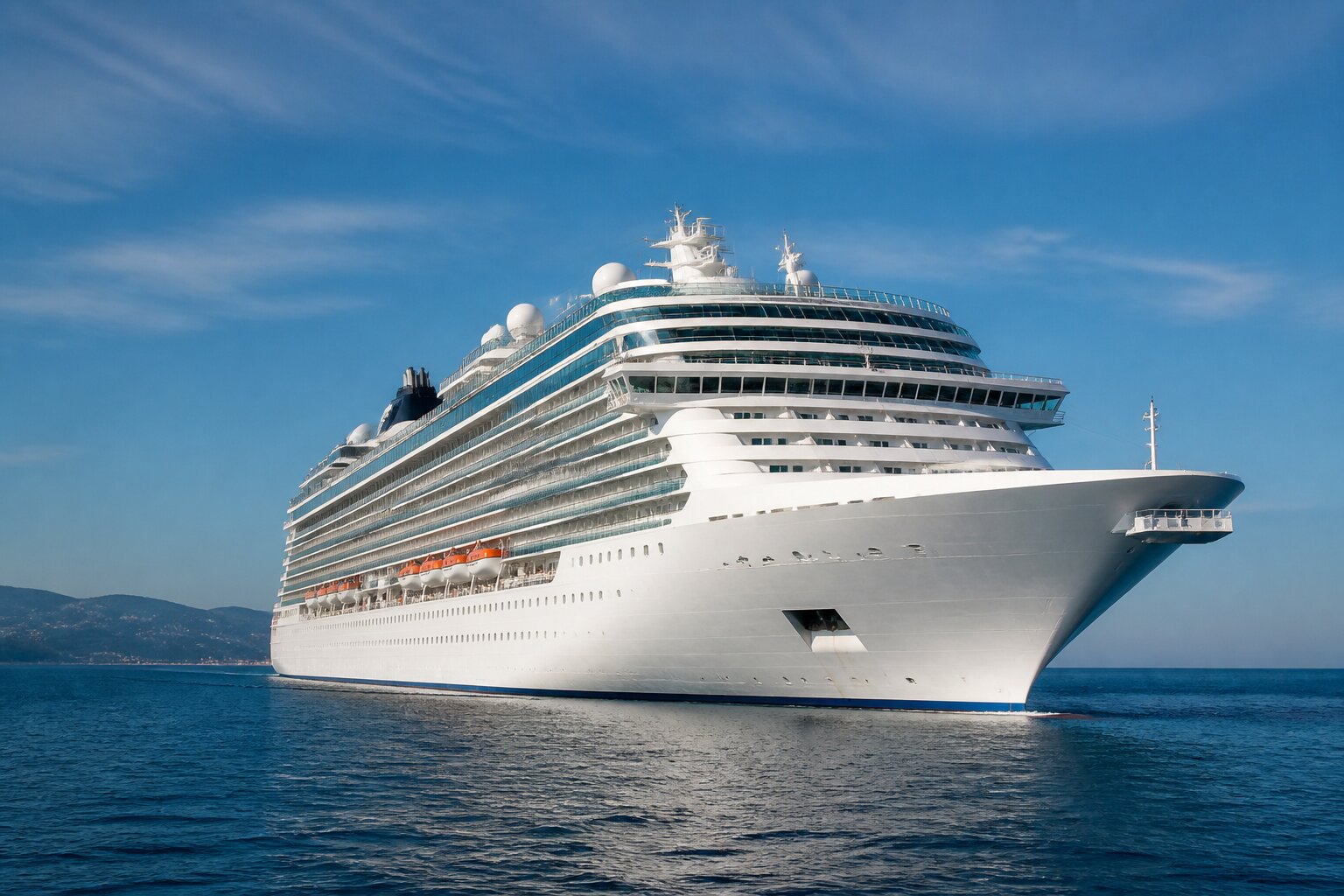
Ever wondered if the slot machines and roulette wheels on cruise ships are as fair as those on land? Many holidaymakers feel a mix of excitement and curiosity the first time they stroll past a casino at sea.
With cruise liners sailing in international waters, the rules can feel a little murky. If you’re planning to play or just want to understand how winnings are handled, this guide explains how cruise ship casinos operate, how payouts work, and what to look for before you place a bet.
Ready to find out what happens when you win on the ocean? Let’s set sail into the details.
How Do Cruise Ship Casinos Operate?
Cruise ship casinos operate much like land-based venues in terms of games and layout, but the legal framework can be different. Many ships only open their casinos once they are in international waters and away from port because the applicable laws change depending on location and registration.
A casino on board follows the laws of the country where the ship is registered, which can mean different standards from the UK. That affects licensing, how disputes are handled, and how transparent payout rates and rules are. You will still see familiar games such as slot machines, blackjack, roulette, and poker, and staff are trained to enforce age restrictions and basic security checks.
Practical differences include the way winnings are handled between voyages and how loyalty schemes operate. A ship may not accept chips or credits from another cruise, and onboard loyalty benefits can work differently from land-based programmes. If you plan to play seriously, check the ship’s casino policy before you start.
It helps to ask guest services about the casino’s licence and oversight if you want reassurance. Keep any receipts or gaming slips as proof of play in case you need them later.
Are Winnings on Cruise Ship Casinos Legitimate?
In most cases, reputable cruise lines do pay out winnings just as land casinos do. Established operators have reputations to protect, so they generally run their casinos transparently and settle legitimate claims.
That said, the level of regulatory oversight varies with the ship’s country of registration. Some jurisdictions require detailed reporting and testing of equipment, while others set fewer conditions. For clarity, check which authority licences the casino and whether the operator publishes any policy or audit information.
If you win a significant amount, expect additional verification steps. Holding on to receipts and casino slips will make the process smoother if staff need to confirm the win. If you have doubts about the operator’s fairness, raise them with guest services before playing.
What Are the Payout Rates on Cruise Ships?
Payout rates, commonly expressed as RTP or Return to Player, indicate the long-term percentage of stake money returned to players. On cruise ships these rates can differ from the figures you might see at UK venues.
Land-based UK casinos and regulated online operators often have clearer requirements about RTP disclosure. At sea, RTPs depend on the game, the machine, and the ship’s policies. Slot machine RTPs might range from the mid-80s to the mid-90s percentage-wise, while table games such as blackjack and roulette tend to have house edges similar to those on land, depending on the specific rules in play.
Because transparency varies, it is sensible to treat gaming as entertainment rather than an investment. If RTPs matter to you, ask the casino staff which games offer the most favourable returns and review the game rules before you play.
How Are Winnings Paid to Players?
Cashing out is generally straightforward, with procedures tailored for safety and convenience. Small wins are usually paid in cash at the casino desk. For larger sums, the casino may offer a cheque or credit the amount to your onboard account, with cash limits often in place for security reasons.
When a win exceeds a cash limit, the operator typically carries out identity checks and paperwork before releasing funds. This can mean collecting your payout after some verification, sometimes on the following day. Keep receipts, vouchers, and casino slips until the payment is final.
If you plan to carry cash off the ship, take sensible precautions—use the cabin safe or the ship’s secure deposit services rather than carrying large amounts around.
How Does Gambling Law Work at Sea?
Once a ship reaches international waters, the casino normally follows the laws of the ship’s flag state rather than those of the country you started from. That affects licensing, consumer protections, and how disputes are handled.
Some flag states have rigorous certification and testing for gaming equipment, while others have fewer requirements. This means the strength of player protections can differ between ships. If knowing the legal backing is important to you, check the operator’s licence information or ask guest services for details on the regulatory authority and any complaints process.
Knowing which rules apply can also help you understand what to expect if an issue arises and the avenues available for resolution.
Taxation of Casino Winnings from Cruise Ships
Worried about tax on any winnings you might collect at sea? For most UK residents, gambling winnings do not attract personal tax and do not need to be declared to HM Revenue & Customs.
Do UK Passengers Owe Tax on Cruise Ship Casino Winnings?
Gambling winnings, including those obtained overseas or on cruise ships, are not typically taxable in the UK for private individuals. This means that casual wins during a holiday or cruise are generally not subject to income tax and do not need to be reported to HMRC.
There are exceptions where tax treatment can differ. These include cases where gambling is:
- carried out as a professional activity, with the intention of making a living from gambling, or
- combined with other income-generating arrangements, such as organised syndicates or business structures that channel winnings into taxable income.
If you think your situation might fall into one of these categories, check current official guidance or speak to a tax professional for tailored advice.
For the majority of holidaymakers, wins kept during a cruise will not carry a UK tax bill. It is sensible to keep records if the amount is significant, as good documentation makes any future clarification with HMRC or an adviser quicker and simpler. Also consider any local or jurisdictional rules the ship or ports may impose while you are abroad, and seek professional advice if in doubt.
Differences Between Cruise Ship and Land-Based Casinos
There are clear operational differences between cruise ship casinos and those on land. Licensing is the most obvious: on a ship the relevant authority is the flag state rather than the UK Gambling Commission. That leads to variations in how payouts are managed, how disputes are resolved, and how much information is publicly available about game fairness.
Payout mechanics differ too. Ships may use cheques or onboard credits for larger wins and enforce cash limits for security. On land, cash handling tends to be more straightforward, with different operational procedures for verification and payment.
Player protections are not uniform. UK venues are required to provide certain safeguards and complaint routes; at sea, the level of protection depends on the operator and flag state rules. Before you play, it is sensible to ask about the support and complaint mechanisms the casino offers.
Myths About Cruise Ship Casino Payouts
Rumours about cruise ship casinos circulate widely, but many are based on misunderstanding. A frequent myth is that ships routinely withhold winnings. While verification and paperwork can delay payment of larger sums, reputable operators generally pay legitimate claims once the necessary checks are complete.
Another misconception is that cruise casinos are uniformly less fair than land casinos. In reality, some flag states impose strict testing and auditing standards, and many cruise lines adhere to these standards to protect their reputation.
The safest approach is to choose well-known, licensed operators and to keep your documentation. Avoid operators that are vague about licensing or payout procedures.
Tips for Claiming and Handling Winnings
A few practical habits make claiming winnings easier. Be prepared to show identification for larger payouts; carrying a passport or cabin card for verification is common practice. Keep all casino slips and vouchers until the payment is processed.
If the casino offers different payout options, consider your needs. Onboard credit is convenient but will not be accessible once you leave the ship. Cheques and credited amounts may require extra processing before you can withdraw cash ashore.
Store any cash securely and use the ship’s safe or deposit services if needed. If monitoring spending is important to you, note the amounts you cash out and keep a record to avoid confusion.
If gambling becomes difficult to control, support is available on many ships and through organisations ashore; seeking help is a sensible step if you need it.
What to Expect When Gambling on Your Cruise
A cruise ship casino provides an organised, social environment with a range of games and occasional events such as tournaments or themed nights. Staff are there to explain rules, manage play, and ensure compliance with age and identity checks.
From the operator’s point of view, the aim is to offer entertainment that complements the rest of the cruise programme. Games are governed by the ship’s licensing arrangements and internal policies, which shape everything from pay tables to payout procedures.
If you plan to play, set a budget and an expectation for the role gaming will play in your holiday. Doing so makes the experience easier to enjoy and reduces the chance of disputes. With proper preparation and a clear understanding of the casino’s rules on board, most passengers find casino play to be an enjoyable part of their voyage.
**The information provided in this blog is intended for educational purposes and should not be construed as betting advice or a guarantee of success. Always gamble responsibly.