
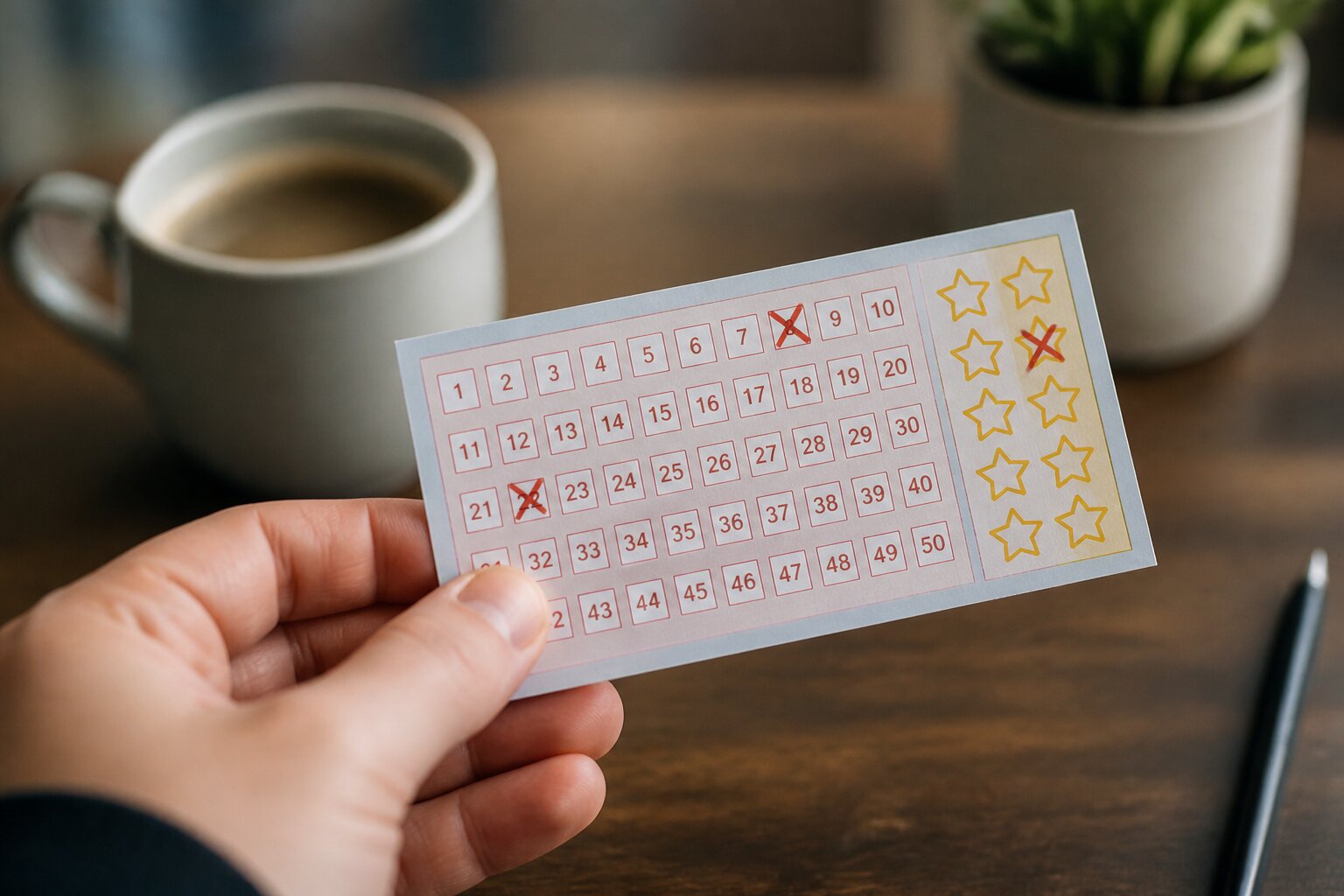
Ever checked a EuroMillions ticket and noticed two of the main numbers match the draw? That moment can feel promising, but it often raises questions: does matching just two numbers pay out, and what about combinations that include a Lucky Star?
This short guide explains exactly what matching two main numbers means, what happens if you have one number plus one Lucky Star, and how the prizes are calculated and claimed. Read on to know where your result fits in the prize structure and what to do next.
Understanding EuroMillions Prize Tiers
EuroMillions uses a 13-tier prize structure where the amount you receive depends on how many main numbers and Lucky Stars you match. The tiers begin at matching two main numbers and rise through combinations of additional main numbers and one or two Lucky Stars, up to the jackpot for matching all five main numbers plus both Lucky Stars.
Lower tiers are narrower in scope and often pay fixed sums, while higher tiers share a variable portion of the overall prize fund. The total prize pool is funded from ticket sales, and higher-tier prizes change from draw to draw depending on how many winners there are and the size of the pool. Winnings are tax-free in the UK.
To see how these tiers apply to the specific combinations many players wonder about, the next section focuses on what matching two main numbers actually means in practice.
What Do 2 Numbers on EuroMillions Mean?
Matching two of the five main numbers places a ticket in the lowest paid tier. This is a straightforward result: if two of the numbers on your ticket match any two of the five main numbers drawn, you qualify for the 2-number prize. That payout is typically a small, fixed amount—often around £2.50—though the precise figure can vary slightly.
This tier is unaffected by whether or not any Lucky Stars match; having one Lucky Star in addition to two main numbers does not move you into a different prize band. The chance of matching exactly two main numbers is about 1 in 22. While this is not a large sum, it’s intended to return something for small wins and give players an incentive to check their tickets after each draw.
If you want to know whether other small combinations pay out, the following section explains the status of matching a single main number plus a Lucky Star.
Prize Amount for 1 Number and 1 Lucky Star
Matching exactly one main number and one Lucky Star does not qualify for a prize in EuroMillions. That particular combination is not included among the 13 prize tiers, so there is no payout for that result.
For clarity: winning begins at the two-main-number tier, and additional matches of main numbers or Lucky Stars move a ticket up to higher tiers. Because 1+1 is outside those tiers, it receives no prize. The rules are consistent across draws, so checking the official prize table for the draw you played will confirm whether a specific combination pays.
With that settled, it helps to understand how prize amounts are decided for tiers that do pay out, which is covered next.
How EuroMillions Winnings Are Calculated
Prize money comes from the overall prize fund, which is split between the different tiers according to fixed percentages. Lower tiers often have fixed payouts; for example, the two-number prize is usually a set amount that does not change regardless of how many winners there are. Higher tiers receive variable shares of the remaining pool, so their payouts move up and down with ticket sales and the number of winners.
When a tier has multiple winners, the prize allocated to that tier is divided equally among them. If no one wins the top prize, that money is carried forward to the next draw and increases the jackpot. Examples from recent draws show three-main-number wins returning a few pounds, while combinations such as four main numbers plus a Lucky Star can return sums in the low hundreds, depending on the draw.
Knowing how the payouts are derived makes it easier to set realistic expectations before checking your ticket. The next section explains practical ways to check results and what happens if you win a smaller prize.
Checking Your EuroMillions Results
After each draw you should compare your ticket’s main numbers and Lucky Stars with the official results. Results are published on the National Lottery website and app, and broadcasts or local listings also report the winning numbers. If you played online, your account should flag any win automatically; for paper tickets, keep the ticket safe as proof of play and check it after the draw.
If you do find a win, the method of claiming depends on how you bought the ticket and the prize size. Read on for clear guidance about claiming smaller prizes and larger ones alike.
What to Do If You Win a Smaller Prize
Smaller prizes are handled differently depending on whether the ticket was purchased online or in a shop. Online play usually sees modest prizes paid automatically into your account. For shop-bought tickets, retailers can pay out small amounts directly, while larger small prizes may need to be claimed at a designated post office branch.
Prizes must be claimed within 180 days of the draw, so it’s best not to leave that until the last minute. The following section lays out the claiming routes in more detail so you know what to expect.
How to Claim Your EuroMillions Winnings
Claim procedures vary by prize level and how the ticket was purchased. For shop tickets, small winnings are often paid by the retailer up to their authorised limit; larger amounts may require a visit to a post office or sending a claim form by post. Online accounts usually receive prizes up to a set threshold automatically, and for substantial wins the lottery operator will make contact to arrange a formal claim.
Keep your ticket secure and follow the official claim instructions for the fastest outcome. Once you have the practicalities in hand, it’s worth thinking about how to treat winnings and how to keep playing in a controlled way.
The Bottom Line: Understanding EuroMillions Prizes
EuroMillions rewards increase with the number of main numbers and Lucky Stars matched, starting at the two-main-number tier and rising to the jackpot. Matching two main numbers typically returns a small, fixed prize; matching one main number and one Lucky Star does not pay out. Prize amounts for higher tiers vary because they depend on the prize fund and the number of winners.
Check results promptly, follow the correct claiming routes for your ticket type, and keep your expectations grounded by understanding how the prize system works. If managing play is ever a concern, the National Lottery provides tools and guidance to help players set limits and stay in control. With that clarity, you’ll be better placed to enjoy checking your tickets and handling any win you may have.
**The information provided in this blog is intended for educational purposes and should not be construed as betting advice or a guarantee of success. Always gamble responsibly.