
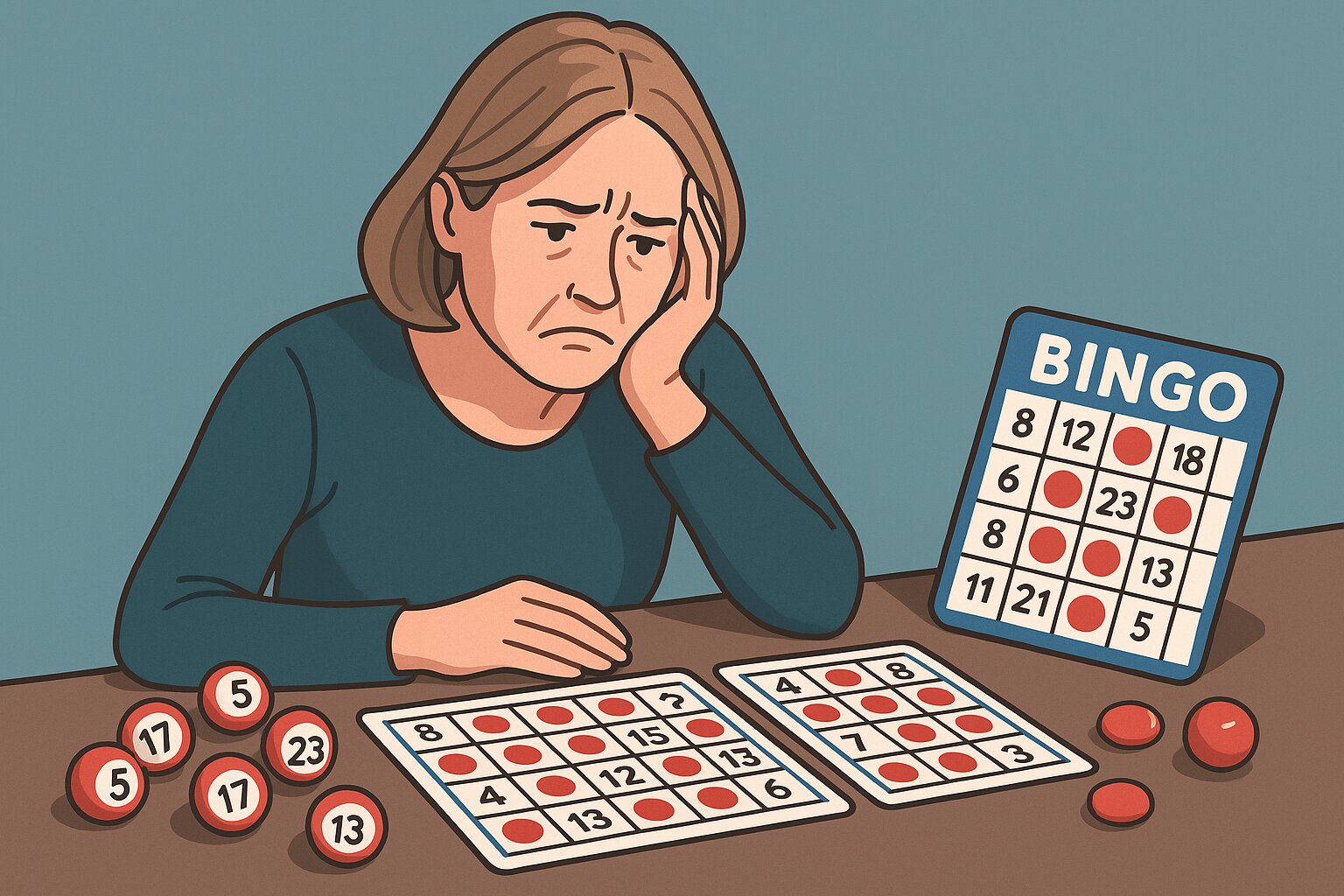
Do you find yourself asking, “Why do I never win at bingo?” You’re not alone. Many players feel winning is out of reach, especially when outcomes don’t seem to go their way.
There are a few clear reasons why wins can be rare, and understanding them will help you enjoy the game more. Read on to see what tends to work against players and how you can make smarter choices about the games you join.
Curious about the specifics? The next sections break down the mechanics, common errors, and useful ways to pick games that fit your preferences.
Is Bingo Truly Random or Can the Outcome Be Influenced?
Regulated bingo games are set up to be fair. Whether in a hall or online, the mechanisms that select numbers are designed so each draw is independent and impartial. Online systems use certified random number software, while in-person games use mechanical or electronic draw methods with oversight to ensure integrity.
Because each draw is independent, previous results do not alter future outcomes. That means there are no reliable systems or secret methods that will change the numbers that are drawn. The practical implication is to focus on enjoying the experience and choosing games that match how you like to play.
The Impact of Game Selection on Your Chances
Not all bingo formats are identical. Variations such as 90-ball or 75-ball games differ in how many numbers are used, the patterns required to win, and how prizes are distributed. Some events offer larger jackpots with fewer prizes, while others spread smaller prizes more widely.
Before you join a game, take a moment to read the rules and prize table. Knowing whether a game pays out multiple prizes, requires a specific pattern, or divides the pot among winners helps you pick sessions that suit your budget and priorities. That knowledge won’t change the draw, but it will shape what you can realistically expect from playing.
Does the Number of Players Affect Your Odds?
The size of the player pool influences how many competitors you face for each prize. In a game with more players, each individual ticket accounts for a smaller share of the total chances to win a particular prize. That said, the draw remains impartial regardless of attendance, and every ticket in the game has the same statistical standing as any other.
If you prefer a higher probability of sharing a prize, look for games with fewer participants or events that split prizes more often. If you enjoy a livelier atmosphere, larger sessions will offer that, even if the chance of winning a particular prize is reduced.
Are You Making These Common Bingo Mistakes?
A number of practical errors can affect your results or at least your enjoyment. Missing called numbers in fast games, failing to mark cards correctly, and not understanding the variation you’re playing are frequent culprits. These are not about changing the draw; they’re about making sure you don’t miss opportunities when they occur.
Another frequent issue is overspending in a single session. Deciding in advance how much to spend and taking breaks helps prevent regret later. If you want a quick check before you play, confirm the game speed, pattern requirements, and prize layout so you’re not caught out halfway through a session.
If you think you might need additional support with your play, the site provides tools and information to help manage your activity.
Myths About Winning at Bingo: What Should You Believe?
There’s a lot of folklore around bingo tactics, and separating myth from fact saves time and money. Common misconceptions include the idea that certain seats, times of day, or “special” tickets improve outcomes. Because draws are independent and overseen, these ideas don’t hold up.
Buying more tickets increases the number of entries you have in a single game, which can change your chance on that particular draw, but it does not alter how numbers are selected or guarantee a win. A sensible approach is to balance ticket quantity with how much you are prepared to spend and the odds on offer for that session.
If you’re ever unsure about a claim you’ve heard, compare it to the game’s rules and payout structure—those documents are the reliable source of truth.
How Do Distractions Affect Your Bingo Performance?
Distractions can cause you to miss a number or fail to notice a win, particularly in quicker games. Playing in a calm space or using tools that automatically track numbers can reduce that risk. When playing in a lively hall, pacing yourself and staying focused during key moments helps avoid missing out.
It’s also useful to adapt your environment to the session. For online play, close unrelated tabs and mute notifications. In a hall, choose a seat where you can both hear the caller and see your cards clearly. Small adjustments like these won’t change the draw but will make it less likely you miss a genuine win.
Understanding House Rules and Payout Structures
Every game has rules that govern how prizes are awarded, what happens with ties, and which patterns count for a win. These can include how ties are resolved, whether certain combinations are excluded, the minimum stake required to qualify for specific prizes, and any time limits for claiming winnings. Knowing these specifics ahead of time reduces the chance of an unpleasant surprise.
Payout structures explain:
- how prize pools are divided,
- whether there are guaranteed jackpots,
- whether prizes are shared among multiple winners.
They also cover practical details such as how rounding is handled, whether fees are deducted from prize pools, and who is eligible to receive certain awards. These points affect the likely value of a win and the frequency of larger payouts.
Reading these details before playing helps you pick sessions aligned with your goals and your budget. For example, some games split the jackpot across several winners rather than awarding it to a single person, while others reserve larger amounts for full-house wins. Being clear on these points makes it easier to set realistic expectations and manage how much you are willing to stake.
Always check the full terms and conditions or house rules on the operator’s site, and contact customer support if anything is unclear. If you gamble, do so responsibly and within your means.
Can Playing Frequency Influence Your Results?
Each bingo game is a distinct event. Playing more often increases the number of tickets you use over time, but it does not change the probability attached to any single draw. Frequent play can be enjoyable if you treat sessions as separate entertainment experiences, rather than a route to guaranteed outcomes.
It’s wise to set limits that suit your finances and schedule, and to reassess regularly whether the time and money you spend match the enjoyment you get. The site offers controls and information to help manage frequency if you want to keep a closer eye on your activity.
Summary: Key Reasons You Might Be Losing at Bingo
This final recap pulls together the main points to help you understand why wins can be infrequent and what you can do about it.
- Randomness of the draw and certified systems used mean no one can influence outcomes, so previous results do not affect future games.
- Game format, prize structure, and the number of players change how likely you are to share or win a prize, even though they do not alter the draw mechanics.
- Practical mistakes such as missed numbers, misunderstanding rules, or overspending affect results and enjoyment more than the way numbers are selected.
- Common beliefs about timing, seats, or secret strategies do not stand up when compared with the game rules and payout information.
If you’d like, have a look at the site’s support tools and controls to set limits or get advice about managing your play. Enjoy your games, choose sessions that suit you, and finish each visit knowing you played with clear expectations and control.
**The information provided in this blog is intended for educational purposes and should not be construed as betting advice or a guarantee of success. Always gamble responsibly.