Bingo is a much-loved game found in community halls, online sites, and family gatherings across the UK. Its appeal spans generations because the rules are simple and the emphasis is on coming together for a shared experience.
The story of bingo stretches back centuries and across several countries, with many people and traditions contributing to the game we recognise today. If you want to know how numbered balls and dabbers became a common sight in halls and on screens, read on for a clear look at the origins and key moments in bingo’s development.
Please note: bingo is for adults aged 18 and over. Play within your limits.
What Is Bingo & How Did It Start?
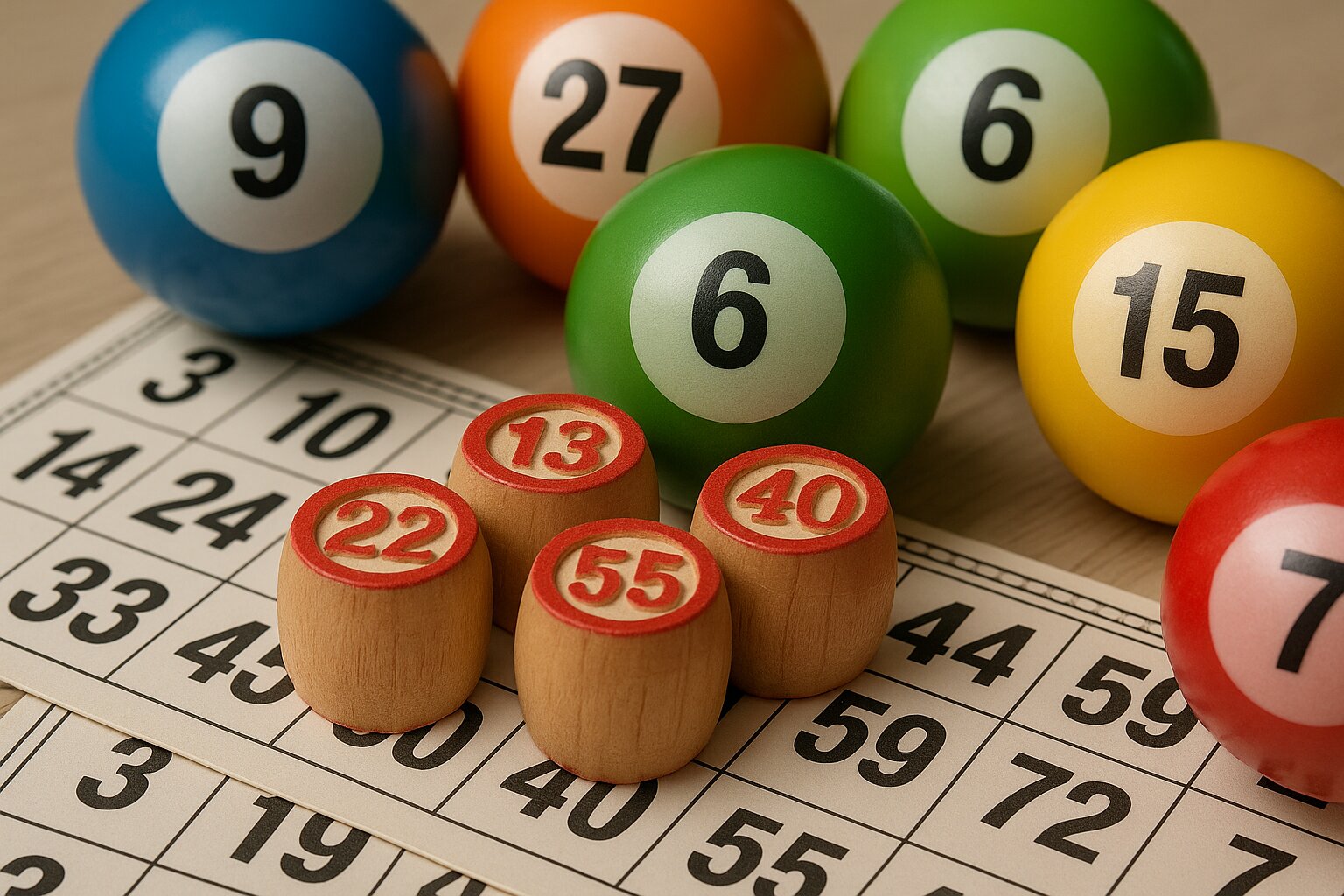
Bingo is a game in which players mark numbers on a card as they are randomly called out, aiming to complete a specific pattern such as a row, column, or the whole card. When someone completes the required pattern they call out "Bingo!" to claim the win.
The earliest form of the game dates to 16th-century Italy, where a lottery-style pastime known as Il Gioco del Lotto d’Italia was played. That format involved number drawing and ticket marking, elements that carried forward into later versions.
In the 18th century the game reached France and became known as Le Lotto, played by wealthier citizens. By the 19th century different variants were used across Europe. In Germany the format was adapted as an educational aid to help children learn numbers and spelling, showing the game’s flexibility beyond pure entertainment.
During the 20th century the modern recreational format developed further in Britain and the United States, taking shape as a communal pastime in halls and, later, as an online offering. Throughout its history the essential structure—random draws, numbered cards and social play—remained consistent.
Where Did The Name "Bingo" Come From?
The term "bingo" emerged in North America in the early 20th century, replacing earlier names such as "beano" that described similar games at fairs and gatherings. One popular account is that someone called out "Bingo!" by accident in place of "Beano!" and the new word stuck, though this should be treated as an anecdote rather than a documented fact.
What matters in the name change is that it helped standardise the game’s identity as it spread through community events and social clubs. The new label made it easier for organisers and players to recognise the game across different settings, from church fundraisers to commercial halls.
Who Are The Key Figures Behind Bingo?
Bingo’s development involved a mix of entrepreneurs, organisers and players rather than a single inventor. In the United States, Edwin S. Lowe, a New York toy salesman, played a notable role in popularising the game during the 1920s. After seeing a carnival game resembling bingo, Lowe worked to commercialise it and to increase the variety of cards available.
To reduce the chances of multiple winners, Lowe enlisted the help of a mathematician who produced many unique card combinations. This statistical approach made the game more suitable for larger gatherings and fundraising events.
In Britain the transformation was less about one person and more about legal and social change. The legalisation of commercial bingo halls in the 1960s created a framework for the game to expand nationally, shaping the familiar bingo culture that followed.
How Did Bingo Spread Across The World?
Bingo’s spread was gradual and cultural. From its origins in Italy it moved through France and Germany, where local variations adapted the format to different audiences. European migrants and cultural exchange helped carry the game to North America, where it became established in community life.
In the United States the game featured heavily in fundraising and church activities, which provided a ready audience and steady growth. When large-scale commercial operations developed in the UK in the 1960s, the game reached new numbers of players and gained more visibility.
Technological changes have continued the process of expansion. The advent of electronic scoring in halls and, later, online platforms meant bingo could reach new audiences while keeping the same core mechanics. That adaptability is a large part of why the game is now played in many countries and in a variety of formats.
Bingo’s Connection To British Culture
Since the 1960s bingo has been a recognisable part of British social life. Dedicated halls offered a place where friends and neighbours could meet regularly, turning bingo into a routine social activity for many communities.
Phrases from traditional call-outs, often called bingo lingo, entered wider cultural awareness and are still familiar to many people. That shared language became part of the pleasure of attending a session, helping form memories that spanned generations.
More recently online play has widened access, while preserving some of the social features through chat rooms and community-led sessions. Even as delivery changed, bingo’s role as a shared pastime has stayed central to its cultural place in Britain.
How Has Bingo Changed Over Time?
Bingo has adapted in response to social trends, regulation and technology. In earlier decades, the game was almost exclusively a land-based activity with physical cards and loud draws. Later, halls introduced electronic devices to help players manage multiple cards and speed up play.
Regulation shaped the modern experience as well. Changes in the law required operators to meet licensing and safeguarding standards, which influenced how halls and online providers organised sessions and supported players.
Online platforms created new ways to play while introducing features such as automated card marking and optional chat functions. These changes made the game more accessible to adults who prefer to play from home or on a mobile device, while still offering communal features for those who enjoy social interaction.
Is The Invention Of Bingo Surrounded By Any Myths?
Several appealing stories have grown up around bingo’s origins. The tale of the accidental "Bingo!" shout replacing "Beano!" is the most famous and captures the way small moments can shape popular culture, but it is not a proven historical event.
Another simplification is the idea that a single person "invented" bingo. Evidence shows the modern form emerged over centuries and through many contributors, from early Italian lotteries to social organisers in Europe and North America.
When looking at the game’s history it helps to focus on documented developments—shifts in format, legal changes, and commercial innovations—rather than on neat origin myths.
Why Does Bingo Remain Popular Today?
Bingo’s staying power comes from a combination of familiarity, ease of play, and social appeal. The rules are straightforward, which makes the game accessible to adults of different ages and backgrounds. That simplicity means people can join in quickly and enjoy the shared experience.
The social element remains important. Whether in halls or online spaces, bingo provides an environment where people can chat, exchange banter and take part in a communal activity. Technology has made that connection easier to sustain even when players are not physically together.
Finally, the game’s ability to adapt is key. From paper cards to electronic formats and online platforms, bingo has evolved while preserving the central elements that make it recognisable. This balance between tradition and change helps explain why the game still attracts players today.
Bingo is an activity for adults aged 18 and over and should be played within personal limits. Enjoy the game as a social pastime and be mindful to keep it enjoyable.
**The information provided in this blog is intended for educational purposes and should not be construed as betting advice or a guarantee of success. Always gamble responsibly.