
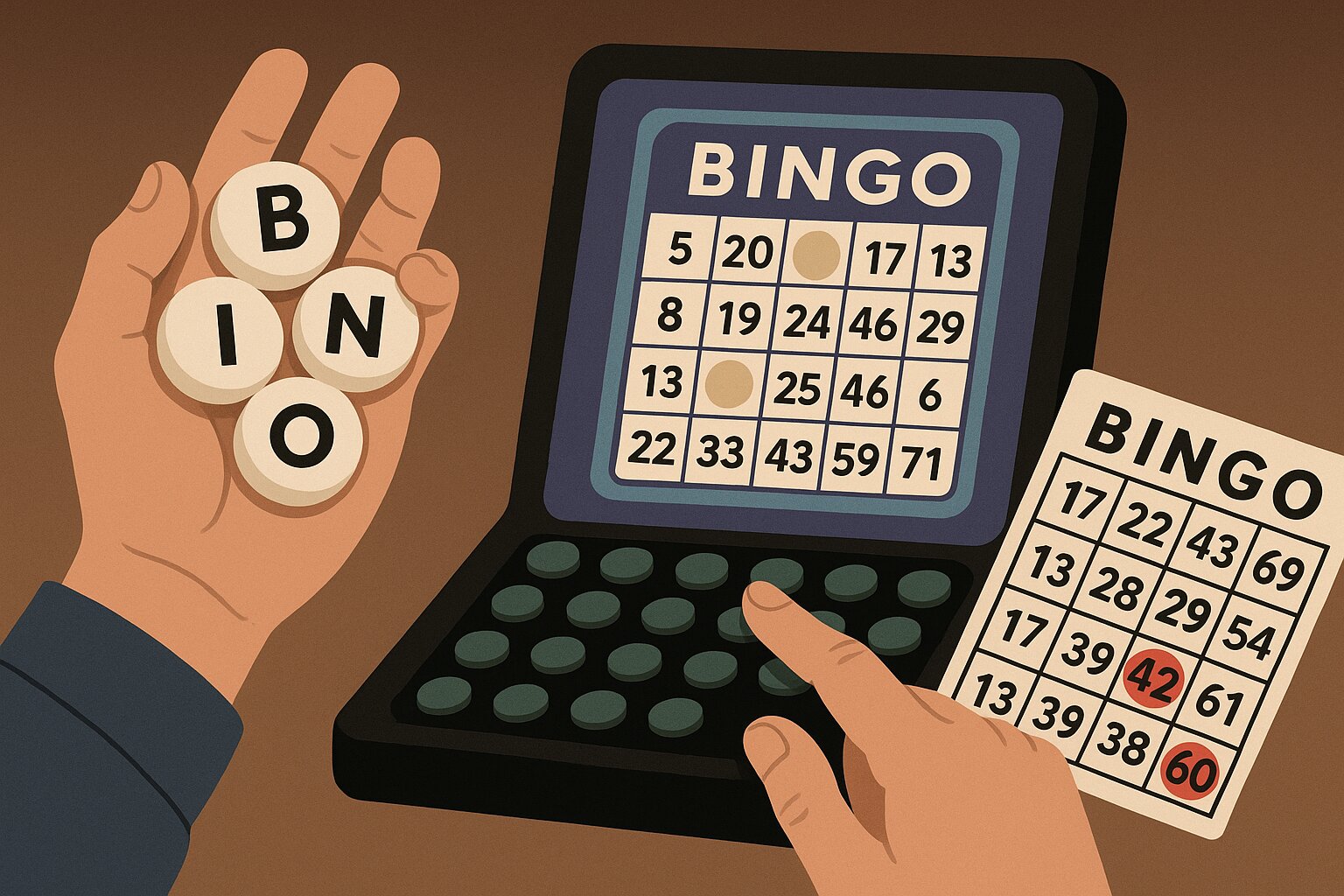
Electronic bingo machines have moved the traditional game onto screens, making it easier to play and manage multiple cards. With that shift, rumours about cheats and secret tricks have also followed.
This article separates myth from fact and explains how these machines work, how they are checked, and what to look for when choosing where to play. Our aim is to give clear, accurate information so you can feel confident about the integrity of the games you play.
Read on for straightforward explanations, expert-backed detail, and practical pointers to help you understand electronic bingo machines.
What Is an Electronic Bingo Machine?
An electronic bingo machine replaces paper cards and a live caller with a digital interface. The device displays cards, marks off numbers automatically, and manages the pace of play. You will find them in licensed venues and in regulated online platforms.
Behind the screen, software controls the game flow and the selection of numbers. That software is designed so that each draw is independent and the player experience mirrors traditional bingo, while adding convenience features such as automatic marking and quick game summaries.
Operators of licensed machines must meet technical and operational standards set by the regulator. These standards cover everything from how random numbers are produced to who can access the system logs. That regulatory framework is central to ensuring fair play and player protection.
Do Electronic Bingo Machines Have Cheats or Hacks?
There are no legitimate cheats or hacks for properly regulated electronic bingo machines. Where games are subject to oversight, strict controls are in place to prevent manipulation and to protect players.
Machines rely on secure, tested software and certified hardware. Independent testing bodies check that the randomisation, payout behaviour and overall integrity meet regulatory standards. Regular audits, certification reports and tamper-evident measures form part of these safeguards.
Operators also maintain technical and procedural protections. Typical measures include:
- encryption of communications and stored data,
- access controls and change-management procedures for software,
- physical security and tamper-evident seals on machines,
- periodic independent audits and published test certificates.
Scams do exist outside regulated environments. Fraudulent software or unlicensed sites may promise shortcuts but often aim to steal money or personal data. They can also misrepresent odds or payouts, so claims that sound too good to be true usually are.
To reduce risk, choose operators with visible licensing and audit information, check for current regulator contact details, and report suspicious sites or behaviour to the relevant authority. These steps help ensure you are playing with devices and operators that are subject to oversight and regular checks.
Common Myths About Electronic Bingo Machine Cheats
Several persistent myths circulate about electronic bingo machines. Addressing them helps clear up misunderstandings so you can judge claims with confidence and avoid risky choices.
Myth 1: Special codes or button combinations can boost your chances of winning.
Outcomes are generated independently of what a player presses during a game. The draw is determined by the machine's certified random number generator and by the game software, not by button sequences entered by players.
Licensed systems are tested and certified to ensure fairness. Any suggestions that secret codes will change the result should be treated with scepticism and reported to the operator or regulator.
Myth 2: You can download “hacking” apps to help you win.
Apps claiming to alter results are typically fraudulent. Regulated systems do not interact with external apps in ways that would permit those changes, and installing such software can expose your device to malware or data theft.
If an app promises guaranteed wins or access to the game's inner workings, it is almost certainly a scam. Stick to official apps from licensed operators and keep your device security software up to date.
Myth 3: Machines pay out at certain times of day.
Apparent patterns in timing usually come from the game schedule, the number of active players, or the type of game being run, not from any programmed preference. Each draw uses the same technical rules and random processes regardless of the time.
Expect variability in outcomes. If you see claims that a machine is timed to pay out more at specific hours, ask for proof of licensing and certification before trusting them.
Myth 4: Staff or operators can change results.
Properly audited systems record every action in secure logs, providing a clear trail that independent auditors and regulators can inspect. Technical safeguards and access controls limit who can interact with critical systems.
Any unauthorised change would normally be detected quickly. If you suspect wrongdoing, report it to the operator and the relevant gambling authority so it can be investigated.
Believing myths can encourage risky decisions. Always use licensed, transparent operators, verify credentials where possible, and treat extraordinary claims with scepticism. If in doubt, seek further information from the regulator or the operator before taking any action.
How Do Electronic Bingo Machines Actually Work?
Electronic bingo machines combine software, hardware and safeguards to run each game. The central element is the mechanism that selects numbers, supported by systems that handle accounts, records and player interfaces.
Numbers are produced by a random number generator, which produces a sequence of values that determine draws. Software translates those values into the numbers you see on screen and ensures each card is evaluated correctly for wins.
Beyond number generation, the system keeps an audit trail of every game, including timestamps and the version of the software in use. This trail is essential for reviews and investigations. Encryption protects data in transit and at rest, while role-based access controls prevent unauthorised changes to the system.
Independent testing labs examine the RNGs, the software logic and the wider infrastructure before games go live and during routine checks. Those third-party tests, plus regulatory reporting, create a layered approach that supports fair outcomes and player confidence.
Can Electronic Bingo Machines Be Manipulated?
Manipulation of regulated machines is highly unlikely because of the combination of technical and procedural protections that operators must maintain.
Technically, the software and RNGs are designed so that the output cannot be predicted or altered by players. Security practices such as code signing, secure boot processes and continuous monitoring reduce the chance that malicious code could be introduced.
Procedurally, regular audits, change-control records and strict segregation of duties reduce insider risk. If any suspicious activity were detected, the audit trail and monitoring tools would show exactly what changed and when, which deters tampering and enables swift investigation.
That said, weakly regulated or unlicensed systems can present real vulnerabilities. Choosing operators with clear audit evidence and published test certificates helps you avoid platforms where manipulation would be a feasible risk.
What Do Experts Say About Bingo Machine Security?
Security experts and regulators focus on three core areas: randomness, transparency and accountability. Randomness is tested to ensure the draw mechanism behaves as expected. Transparency comes from making test results and operational records available for inspection. Accountability is enforced through audits and reporting obligations.
Testing laboratories use statistical analyses to look for bias and to confirm that outcomes match the theoretical expectations. Audit reports also examine system configuration, patching practices and network defences to confirm that the wider environment is secure.
Experts note that a strong control environment, regular testing and visible reporting are the best indicators of a trustworthy operation. When those elements are in place, auditors and regulators have the information they need to confirm that games are being run fairly.
Staying Safe When Playing Electronic Bingo
Your experience is better when you pick operators who show clear compliance and provide tools to manage play.
Choose licensed operators and look for test certificates and audit summaries that show independent checks. These documents are the practical proof that the technical and procedural safeguards exist.
Set limits with the tools the operator provides, and use support services if you feel play is becoming a problem. Age verification and identity checks are also part of the safeguards; they protect both you and the integrity of the game.
By selecting operators who publish clear compliance information and offer control tools, you reduce exposure to fraud and play in an environment that prioritises fairness and safety. Play within the limits you set and use support resources if you need them; that approach keeps the experience positive.
We hope this clears up how electronic bingo machines work and why properly regulated systems are secure. If you want to check a machine or operator, look for their independent test reports and clear regulatory information before you play.
**The information provided in this blog is intended for educational purposes and should not be construed as betting advice or a guarantee of success. Always gamble responsibly.